The Evolution of Our Logo
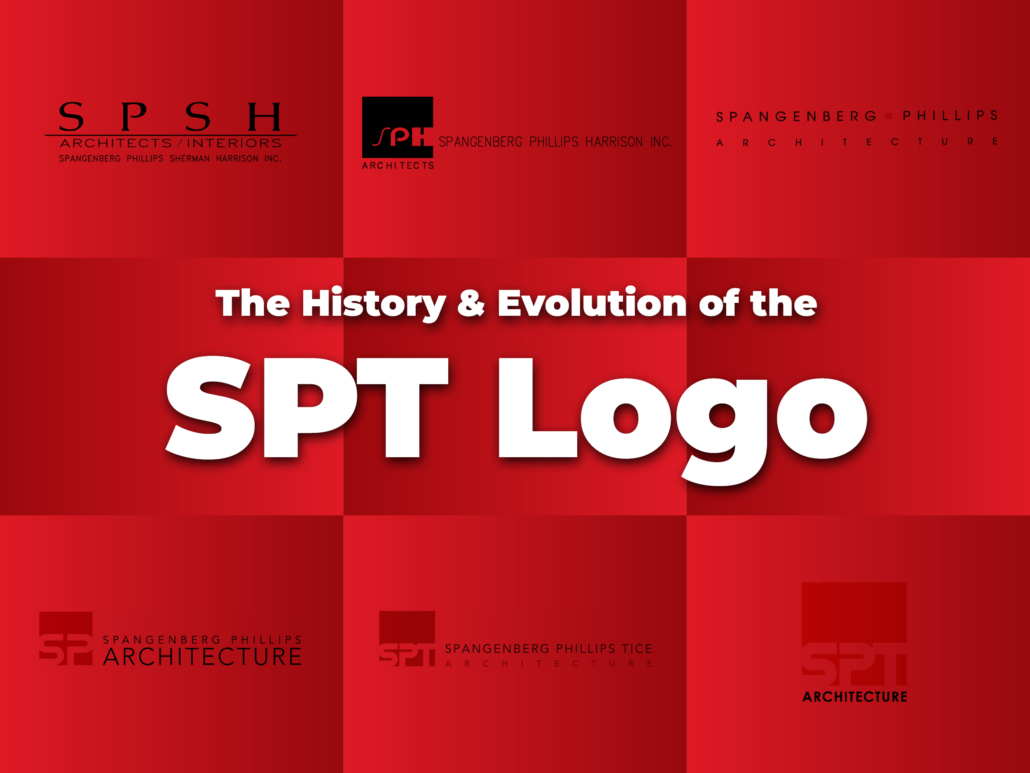
Every great brand tells a story. The journey of SPT’s brand is no exception. The visual identity that has defined our company for the past 40 years has blossomed alongside the firm itself, rooted in who we are, cultivated by time. Each iteration of the logo chronicles a moment in our history, an intentional alignment of design movements with the spirit of our practice.

At the beginning, the firm was comprised of four partners, from whom the original name of the firm was born: SPSH. The logo followed the trends of the time. It highlighted the firm’s passion for design by showcasing a green and mauve watercolor wash (not shown) set behind big serif letters.
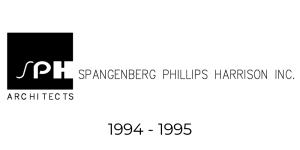
After almost ten years, one of the founders parted ways, and the firm rebranded as SPH. Inspiration was drawn from one of architecture’s most celebrated figures: Frank Lloyd Wright. His designs carried intention, clarity, and a sense of identity that resonated with the culture of SPT. The resulting logo took cues from the geometric strength and timeless elegance of Wright’s insignias. The result was a dark square encasing the reversed-out letters “SPH” in varying weights.
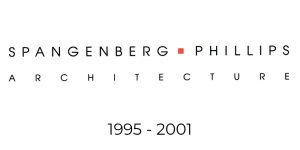
In 1995, the firm transitioned to two partners, Ron Spangenberg and Randy Phillips, again prompting a name change. This time, the last names of the two remaining partners became the firm’s moniker. The square motif was still used but it assumed more subtle role, serving as a separator between names.
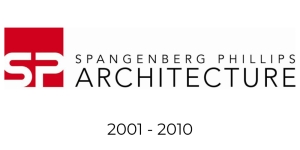
After about six years, the logo transitioned into a more portable and enduring form, one that closely resembles the design we know today. The square adopted a rich red hue, symbolizing lifeblood and intensity. It enclosed the bold, white letters “S” and “P,” creating strong contrast for clarity and instant recognition, especially from a distance. As the brand matured, so too did the presentation of the logo, adapting to new platforms and technologies while embracing contemporary, design-conscious approaches that reflected the firm’s evolving identity.
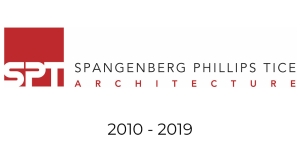
In 2010, Greg Tice became a partner, once again prompting the update of the firm’s name: Spangenberg Phillips Tice. By then, the brand had deep roots and strong recognition, so the addition of the “T” was seamlessly incorporated into the existing square while preserving its genetic makeup.

Today, the logo stands as both a constant and a canvas. It is an enduring symbol that continues to adapt as our work, technology, and audience evolves. More than a mark of visual appeal, it carries the meaning accumulated over time and the memories anchored to it. It’s seen on project signs across Kansas, on construction helmets, and in the corner of every drawing, quietly telling our story.
Our logo represents not just a design, but a legacy—an emblem of who we are, where we’ve been, and the architectural influence we’ve had across Wichita and beyond. As we look ahead, we remain committed to preserving what has always defined it: a dedication to quality design, thoughtfulness, and forward-thinking creativity.
A Collaborative Approach to Architecture and Interior Design
At SPT Architecture, we believe that great design goes beyond looks—it’s about creating spaces that work for the people who use them. As a full-service architecture, interior architecture, and interior design firm, we take a collaborative approach, merging architecture with interior design to create environments that are thoughtful, cohesive, and built to last.
One Team, One Vision
At SPT, teamwork is at the heart of what we do. Our firm is uniquely structured to foster seamless collaboration between architects and interior designers. Of the firm’s seven partners, Rebecca Gates and Gina Loomis specialize in interior architecture and design; our architects include Greg Tice, Jeff Koch, Kristine Pafford, and Luke Dolechek, who—together with our interior designers—provide a comprehensive design solution that considers both the exterior and interior of every project. Dave Wells rounds out the team by providing expert site planning and landscape architecture services. This balance reinforces our belief that great design comes from a fully integrated approach.
We are not siloed into separate design studios—instead, our architects and interior designers work as one team, influencing and enhancing each other’s work throughout every stage of a project.
Why an Integrated Approach Matters
By blending architecture and interior design from the start, we ensure that projects are not only visually cohesive but also optimized for how people will interact with them. This leads to:
A Unified Vision
When architecture and interior design are considered together, the result is a space that feels intentional and well thought out. Our process ensures that every material, layout, and finish complements the overall architectural framework rather than feeling like an afterthought.
Consistency in Design
A well-designed building should tell a story from the outside in. The materials, scale, and flow should feel seamless, not like a series of unrelated design decisions. Our approach guarantees that architectural elements and interior details align, creating spaces that feel cohesive and complete.
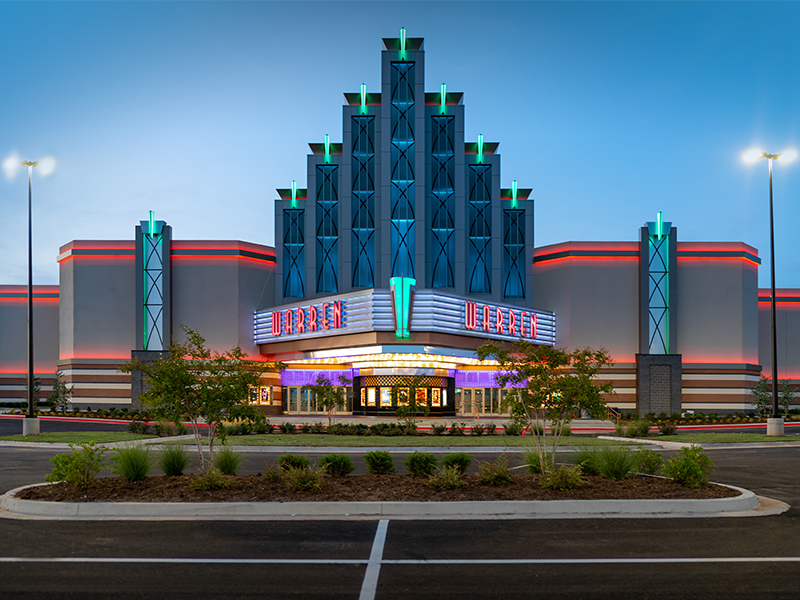
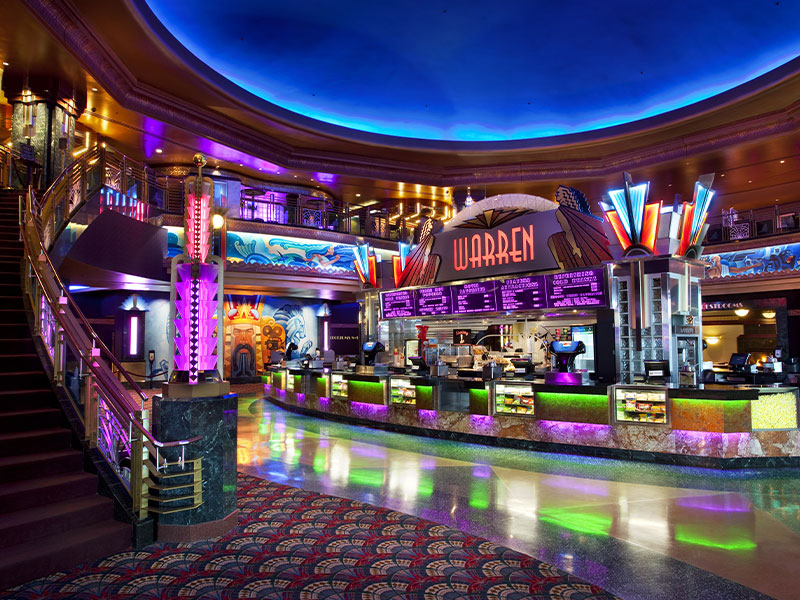
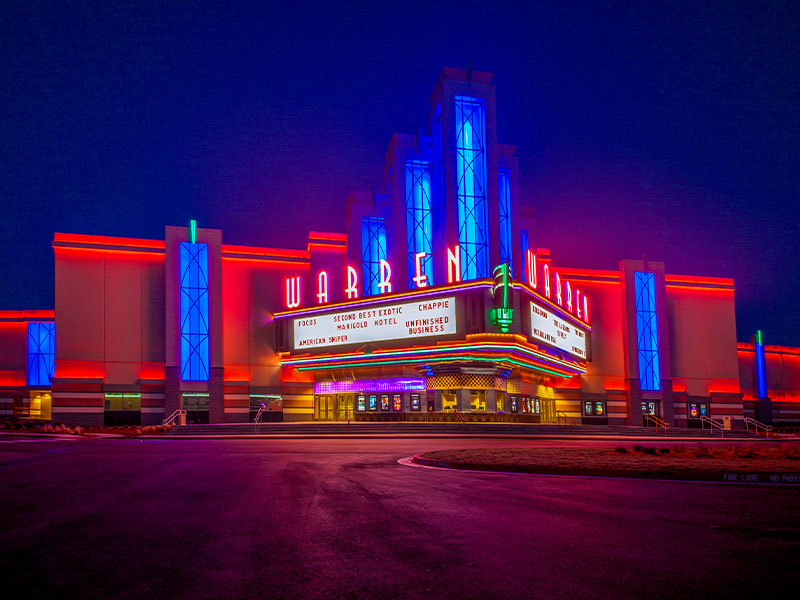
A great example of this is our work on the Warren Theatres. The exterior detailing and interior finishes were carefully designed to complement each other, creating a unified experience from the outside in. The quote, “The show starts on the sidewalk,” from architect S. Charles Lee captures this idea perfectly. It emphasizes that a theater’s experience begins the moment people arrive, not just when they step inside. This seamless integration of both architectural and interior elements is a hallmark of our approach, ensuring the space functions beautifully while telling a cohesive design story.
Client-Centered Solutions
At the core of our work is a simple truth: every space serves a purpose. Whether it’s a classroom designed for learning, a hospital that promotes healing, an office that fosters creativity, or a hotel that enhances comfort and luxury, we design with people in mind. Because our architects and interior designers collaborate from day one, our projects are both beautiful and functional.
Bringing Spaces to Life
At SPT, we’re more than just designers—we’re problem solvers, collaborators, and partners. We LISTEN to our clients’ goals, LEAD them through a process where design and function are fully integrated, and ELEVATE their projects by delivering thoughtful spaces that stand the test of time.
Design matters. Expertise matters. Collaboration matters. And at SPT, we bring all three together to create spaces that don’t just meet expectations—they exceed them.
Let’s build something great—together. Get in touch with us today.